Beginner's Guide to Macro Tracking
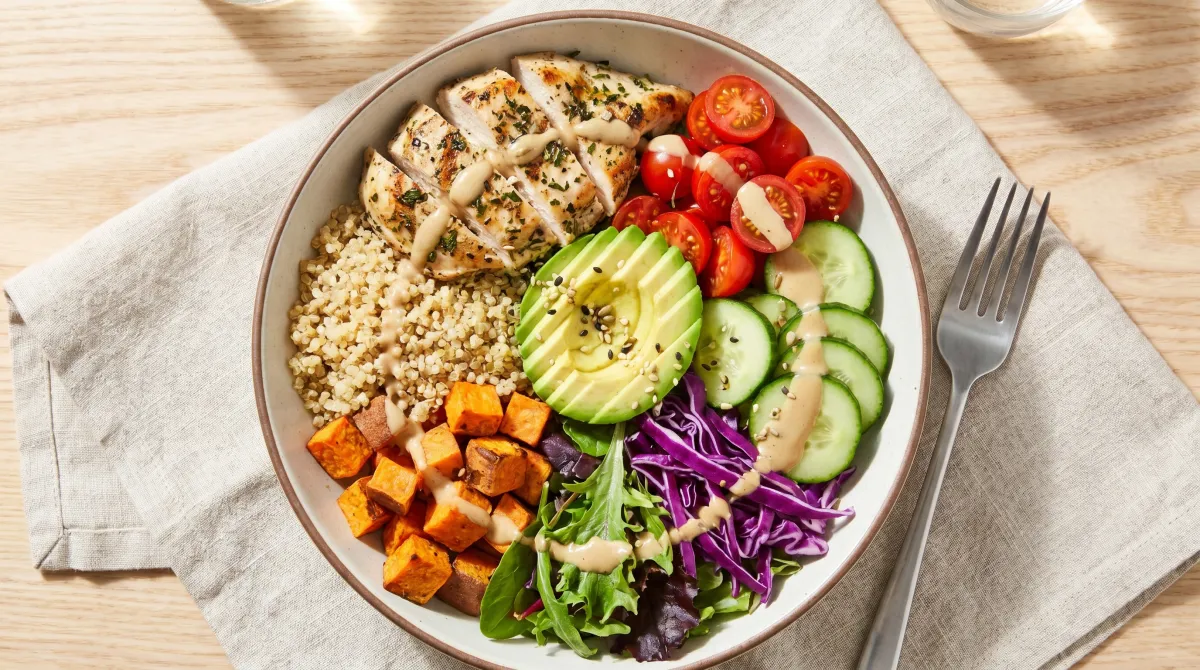
Beginner's Guide to Macro Tracking
If you have spent any time in fitness or nutrition circles, you have heard people talk about "hitting their macros." It can sound complicated at first, but macro tracking is simply a more detailed way of managing your nutrition that goes beyond just counting calories. Instead of only caring about the total number, you pay attention to where those calories come from.
This guide will walk you through everything you need to know to get started, from understanding what macros are to setting your first targets and building habits that actually stick.
What Are Macronutrients?
Macronutrients, or macros, are the three main categories of nutrients that provide your body with energy. Every food you eat is made up of some combination of these three:
Protein (4 calories per gram)
Protein is the building block of muscle, skin, hair, enzymes, and hormones. It is critical for muscle repair and growth, which is why it gets so much attention in fitness communities. Protein also has the highest thermic effect of any macro, meaning your body burns more calories digesting it.
Good sources: Chicken breast, fish, eggs, Greek yogurt, tofu, lentils, lean beef.
Carbohydrates (4 calories per gram)
Carbs are your body's preferred energy source, especially during high-intensity exercise. They break down into glucose, which fuels your muscles and brain. Not all carbs are equal, though. Whole grains, fruits, and vegetables provide fiber and micronutrients, while highly processed carbs offer mostly empty calories.
Good sources: Oats, brown rice, sweet potatoes, fruits, whole grain bread, quinoa.
Fat (9 calories per gram)
Fat is essential for hormone production, brain function, and the absorption of fat-soluble vitamins (A, D, E, and K). Because fat has more than double the calories per gram compared to protein or carbs, it is easy to overconsume, but cutting it too low is harmful to your health.
Good sources: Avocado, olive oil, nuts, seeds, salmon, eggs, dark chocolate.
Why Macro Ratios Matter
Two people can eat the same number of calories and get very different results depending on their macro breakdown. For example:
- Person A eats 2,000 calories with 40% from protein, 35% from carbs, and 25% from fat.
- Person B eats 2,000 calories with 10% from protein, 60% from carbs, and 30% from fat.
Person A will likely have better muscle retention, feel more satiated, and see better body composition changes, even though the total calories are identical. This is why macros matter.
Macro Ratios for Different Goals
| Goal | Protein | Carbs | Fat |
|---|---|---|---|
| Fat loss | 30-40% | 25-35% | 25-35% |
| Muscle gain | 25-35% | 40-50% | 20-30% |
| Maintenance | 25-30% | 40-50% | 25-30% |
| Endurance athlete | 20-25% | 50-60% | 20-25% |
These are starting points, not rigid rules. Individual factors like your training style, body composition, food preferences, and how your body responds all play a role.
How to Set Your Macro Targets
Step 1: Determine Your Calorie Needs
Before you can set macros, you need a calorie target. Calculate your TDEE (Total Daily Energy Expenditure) based on your age, weight, height, and activity level. Then adjust based on your goal:
- Fat loss: Subtract 300-500 calories from your TDEE.
- Muscle gain: Add 200-400 calories to your TDEE.
- Maintenance: Eat at your TDEE.
Step 2: Set Your Protein First
Protein is the most important macro to get right. A solid starting point for most active people is 0.7 to 1 gram of protein per pound of body weight (or about 1.6 to 2.2 grams per kilogram).
Example: If you weigh 160 pounds and are aiming for 1 gram per pound, that is 160 grams of protein, which equals 640 calories from protein.
Step 3: Set Your Fat
A healthy minimum for fat intake is about 0.3 to 0.4 grams per pound of body weight. Going below this can negatively affect hormone levels and overall health.
Example: At 160 pounds with 0.35 grams per pound, that is 56 grams of fat, or 504 calories from fat.
Step 4: Fill the Rest With Carbs
Whatever calories remain after protein and fat go to carbohydrates.
Example: If your target is 2,200 calories, you have used 640 (protein) + 504 (fat) = 1,144. That leaves 1,056 calories for carbs, which is 264 grams.
Your final macros: 160g protein, 264g carbs, 56g fat.
Common Beginner Mistakes
Obsessing Over Exact Numbers
You do not need to hit your macros to the gram every single day. Being within 5-10 grams of each target is close enough. Consistency over weeks matters more than precision on any single day.
Neglecting Protein
Most people naturally gravitate toward carbs and fat because they are in the most convenient and affordable foods. You will probably need to make a conscious effort to eat enough protein, especially in the beginning.
Forgetting About Micronutrients
Tracking macros does not mean you can fill your carb target with candy. Whole foods provide the vitamins, minerals, and fiber that your body needs to function well. Aim for 80% of your food from whole, minimally processed sources.
Making It Too Complicated
You do not need to track 15 different nutrients or weigh every grain of rice. Start with just the three macros. As it becomes a habit, you can add detail if you want.
Tips for Staying Consistent
Prep Your Protein
Since protein is the hardest macro to hit for most people, plan it first. Make sure every meal has a solid protein source, and keep high-protein snacks on hand like Greek yogurt, jerky, or protein bars.
Use a Scanning App
Manually entering every food into a database is the fastest way to burn out on macro tracking. A scanning tool like Cal AI: Calorie Scanner lets you photograph your meal and get an instant macro breakdown, cutting the logging time from minutes to seconds. The less friction there is, the more likely you are to keep tracking.
Eat Similar Meals
This sounds boring, but it works. When you rotate between a handful of meals you enjoy and already know the macros for, tracking becomes almost automatic. You can still have variety, but having a few reliable go-to meals reduces decision fatigue.
Plan Backward From Dinner
If you know you are going out for dinner, estimate that meal first and plan your earlier meals around it. This prevents the common problem of having almost no carbs or fat left for the most social meal of the day.
Track Before You Eat
Log your meals in advance when possible. Planning what you will eat and checking the macros before you commit makes it much easier to hit your targets than trying to make up for imbalances at the end of the day.
How Long Until You See Results?
Most people notice changes within two to four weeks of consistent macro tracking. Initially, the biggest benefit is simply awareness. You start to understand which foods are protein-dense, which are calorie-dense, and where your habitual diet falls short. Over time, this awareness turns into intuition, and making good food choices becomes second nature.
Getting Started Today
You do not need to overhaul your entire diet on day one. Here is a simple starting plan:
- Calculate your TDEE and set a calorie target.
- Set your protein target at 0.8 to 1 gram per pound of body weight.
- Set fat at 0.35 grams per pound and fill the rest with carbs.
- Track everything for one week using Cal AI: Calorie Scanner to see where you currently stand.
- Adjust gradually based on how you feel, your energy levels, and your progress.
Macro tracking is not about perfection. It is about giving yourself a reliable framework for nutrition so you are not guessing. Once the habit is in place, it becomes one of the most effective tools available for reaching your health and fitness goals.