How Drinking Water Supports Weight Loss
How Drinking Water Supports Weight Loss
Water is free, calorie-free, and available almost everywhere — yet it is one of the most overlooked tools in a weight-loss plan. While no single habit will melt fat on its own, the evidence that hydration supports healthy weight management is solid enough to make it worth paying attention to. Here is a practical look at how water helps, how much you likely need, and easy ways to drink more of it every day.
---
Why Water Matters for Your Weight
Your body is roughly 60% water. Every major process — digesting food, transporting nutrients, regulating body temperature, and burning stored fuel — depends on adequate hydration. When you are even mildly dehydrated, those processes slow down, energy dips, and cravings often spike.
Water Has Zero Calories
The most straightforward benefit is what water replaces. Swapping a 350 ml can of soda (around 140 calories) or a flavoured coffee drink (often 200–400 calories) for plain water saves a meaningful chunk of your daily calorie budget without any dietary restriction. Over a week, those saved calories add up quickly.
It Can Temporarily Boost Metabolism
Several small studies suggest that drinking about 500 ml (roughly 17 oz) of water increases resting energy expenditure by roughly 24–30% for 30–60 minutes afterward. Researchers believe the body expends a little energy warming the water to body temperature — especially cold water. The effect per glass is modest, but consistent hydration throughout the day keeps that small thermogenic benefit ticking along.
It Reduces Hunger — or What Feels Like Hunger
The hypothalamus, the brain region that controls both hunger and thirst, can send overlapping signals. Many people reach for a snack when what their body actually wants is water. Drinking a glass of water and waiting 10–15 minutes before eating a snack is a simple way to test whether you are genuinely hungry or just thirsty.
Tip: If you often feel hungry shortly after a meal, drink a full glass of water first and see whether the urge to eat fades.
---
Drinking Water Before Meals
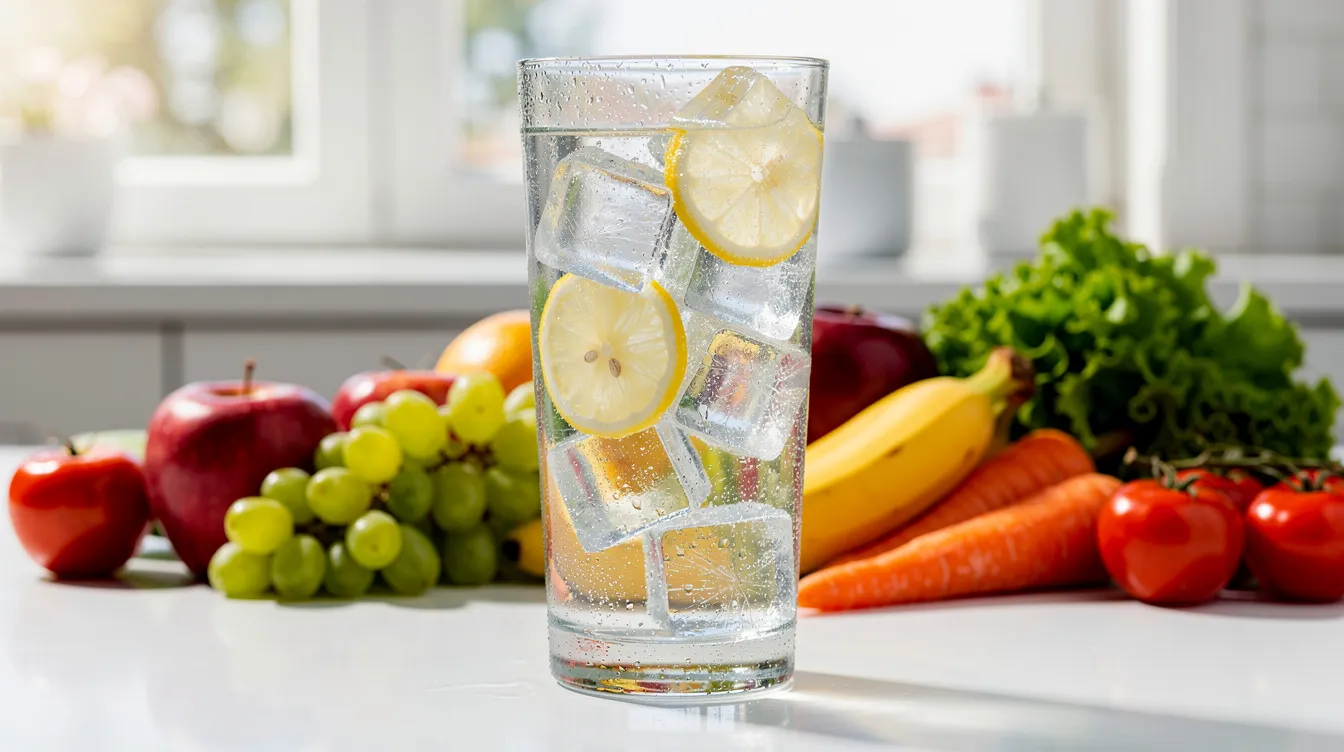
One of the best-studied strategies is pre-meal water loading. A commonly cited trial found that adults who drank about 500 ml of water 30 minutes before each main meal lost around 44% more weight over 12 weeks than those who did not. The water takes up physical space in the stomach, which signals the brain that fullness is approaching, leading people to eat slightly smaller portions naturally — without feeling deprived.
---
How Much Water Do You Actually Need?
General guidance from health authorities suggests roughly:
| Group | Daily water target (from all sources) |
|---|---|
| Average adult woman | ~2.7 litres (about 91 oz) |
| Average adult man | ~3.7 litres (about 125 oz) |
| People exercising hard | Add 400–600 ml per hour of exercise |
| People in hot climates | Add extra to account for sweat loss |
These figures include water from food (fruits, vegetables, soups) which can account for 20–30% of total intake. Individual needs vary based on body size, activity, climate, and health status. A practical rule of thumb: aim for pale-yellow urine throughout the day.
---
Practical Ways to Drink More Water
Knowing you should drink more water is easy. Actually doing it consistently takes a little strategy.
- Start your morning with water. Keep a glass or bottle on your bedside table and drink it before coffee. You wake up mildly dehydrated after hours of sleep, so this is an easy win.
- Drink a glass before every meal. This doubles as the pre-meal strategy that helps portion control.
- Carry a reusable bottle. Having water visible and accessible is the single most effective behaviour-change trick. Out of sight, out of mind — and out of your body.
- Set phone reminders. A simple hourly nudge works surprisingly well for people who forget to drink during busy workdays.
- Eat water-rich foods. Cucumbers, strawberries, oranges, celery, watermelon, and soups all contribute to your daily fluid intake and tend to be low in calories.
- Add natural flavour. A slice of lemon, a few mint leaves, or a splash of cucumber can make plain water more appealing without adding meaningful calories.
---
What About Other Drinks?
- Black coffee and plain tea count toward hydration and are essentially calorie-free. Moderate caffeine intake (up to around 400 mg a day for most adults) is generally considered safe and does not cause net fluid loss despite the mild diuretic effect.
- Sparkling water hydrates just as well as still water and can satisfy the desire for a fizzy drink without the sugar.
- Diet sodas are calorie-free but some research suggests they may keep sweet cravings active. Occasional use is fine, but water is a better default.
- Fruit juice contains vitamins but also significant natural sugars and calories. A small glass is fine; making it a primary drink is not ideal for weight loss.
- Alcohol actively dehydrates you and adds calories with little nutritional value. It also tends to lower inhibitions around food choices.
---
Pairing Hydration with Calorie Awareness
Drinking more water is genuinely helpful, but it works best as part of a broader awareness of what and how much you are eating. If you are trying to lose weight, understanding your calorie and macro intake alongside your hydration habits gives you a much clearer picture. An app like Cal AI: Calorie Scanner makes it simple to photograph your meals and immediately see calories, protein, carbs, and fat — so you can spot where liquid calories might be sneaking in and make swaps with confidence.
For more on building sustainable eating habits, the article on how to maintain weight after dieting covers how to lock in the progress you make during a weight-loss phase.
---
The Bottom Line
Water will not single-handedly cause dramatic weight loss, but it supports almost every mechanism involved in healthy weight management — from keeping metabolism ticking, to curbing false hunger, to cutting hundreds of calories that would otherwise come from sugary drinks. It costs nothing, has no side effects, and takes seconds to act on. If there is one small habit to add this week, drinking a full glass of water before each meal is a great place to start.